Experience Precision Welding Excellence with Martin Welding!
I hope this letter finds you well. My name is Martin Welding, and I am writing to express my sincere appreciation for the exceptional welding services your company has provided. Over the years, I have had the pleasure of witnessing the dedication and craftsmanship that Martin Welding consistently delivers.
Request a Service
Tailored Solutions
Whether it’s repairs, fabrication, or custom projects, we tailor our services to meet your unique needs.
Furthermore, I appreciate the environmentally conscious approach taken by Martin Welding in its operations. With increasing emphasis on sustainability, it’s reassuring to see your company implementing eco-friendly practices and exploring innovative solutions to minimize environmental impact. Your proactive stance towards sustainability sets a commendable example for the industry.
In closing, I want to extend my gratitude to Martin Welding and its team for consistently delivering exceptional welding services. Your professionalism, expertise, and commitment to excellence have undoubtedly set the standard in the industry. It is a privilege to partner with a company of such caliber, and I look forward to continuing our collaboration in the future.
Address
4953 Vine Street
San Diego, CA 92465
Opening hours
Mon – Sat 8:00 – 18:00
Sun – Closed
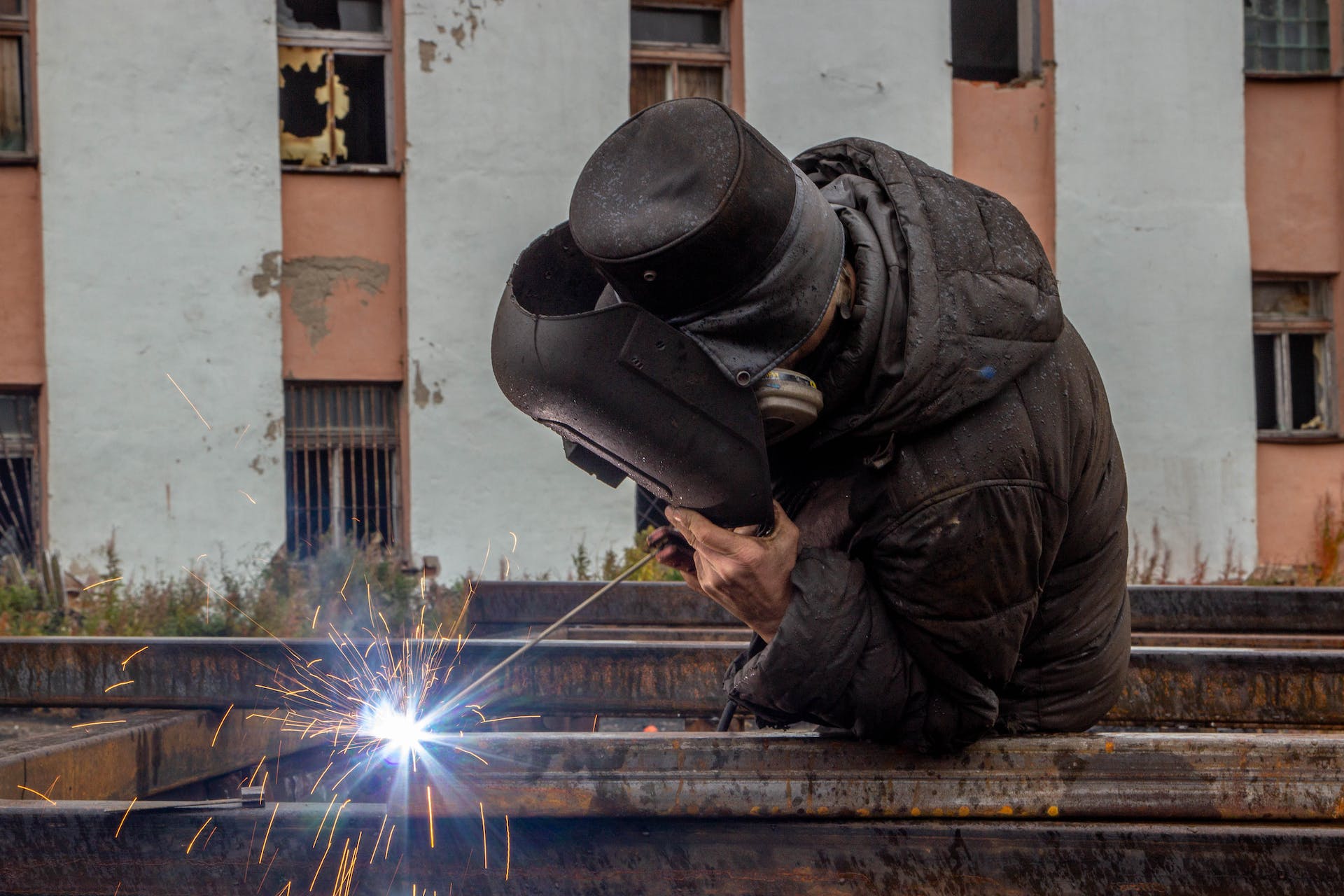
Structural Welding
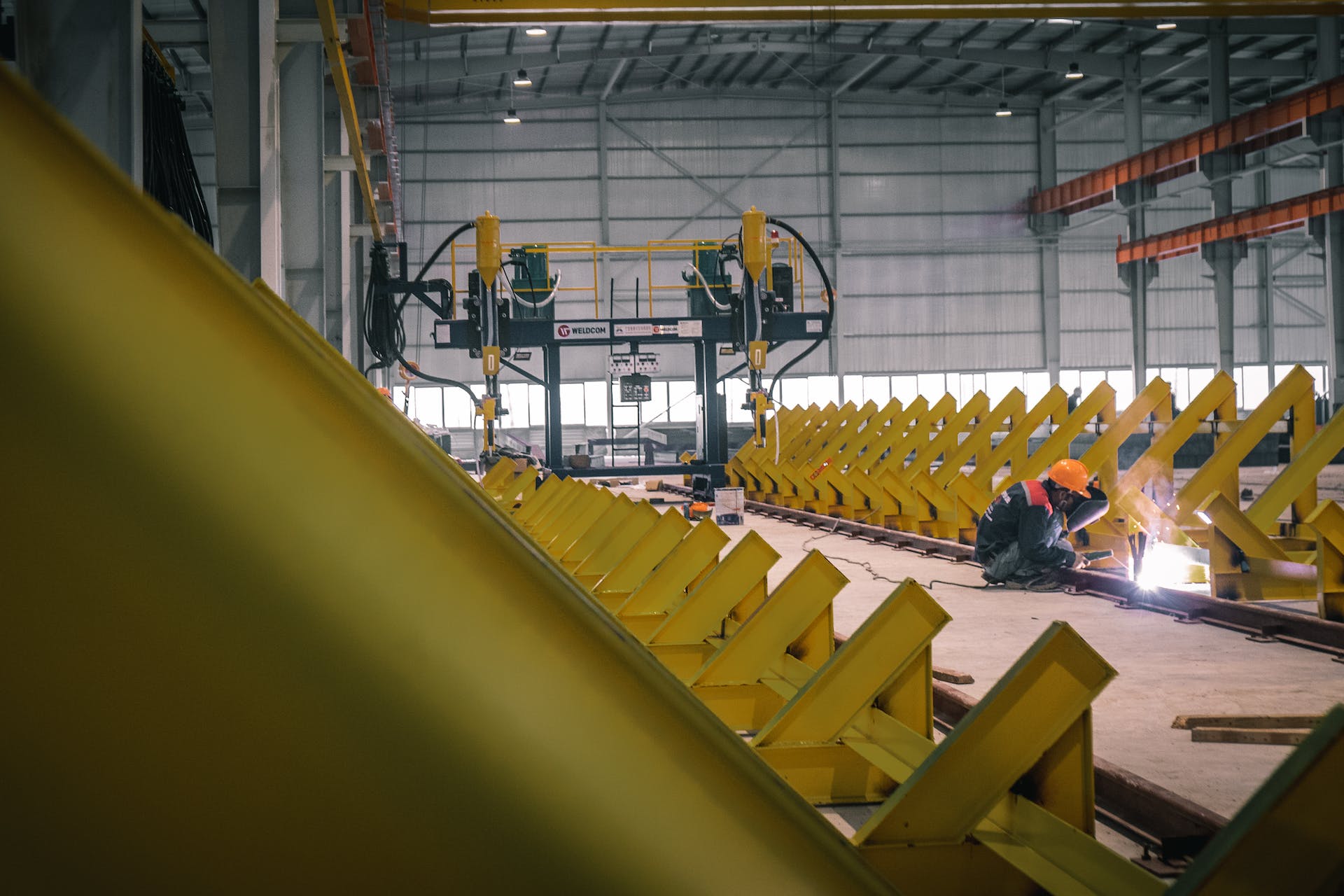
Fabrication
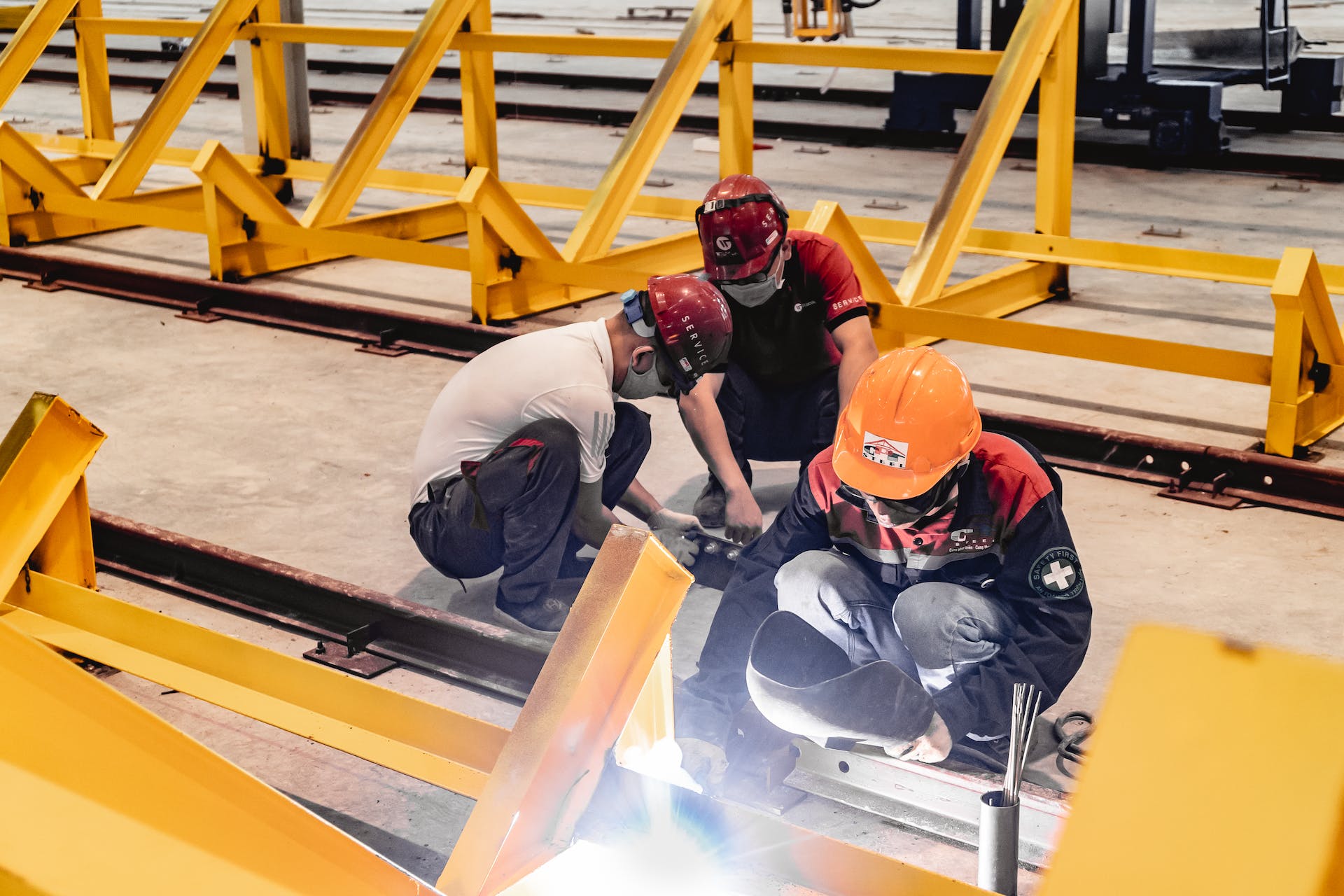
Repairs & Maintenance
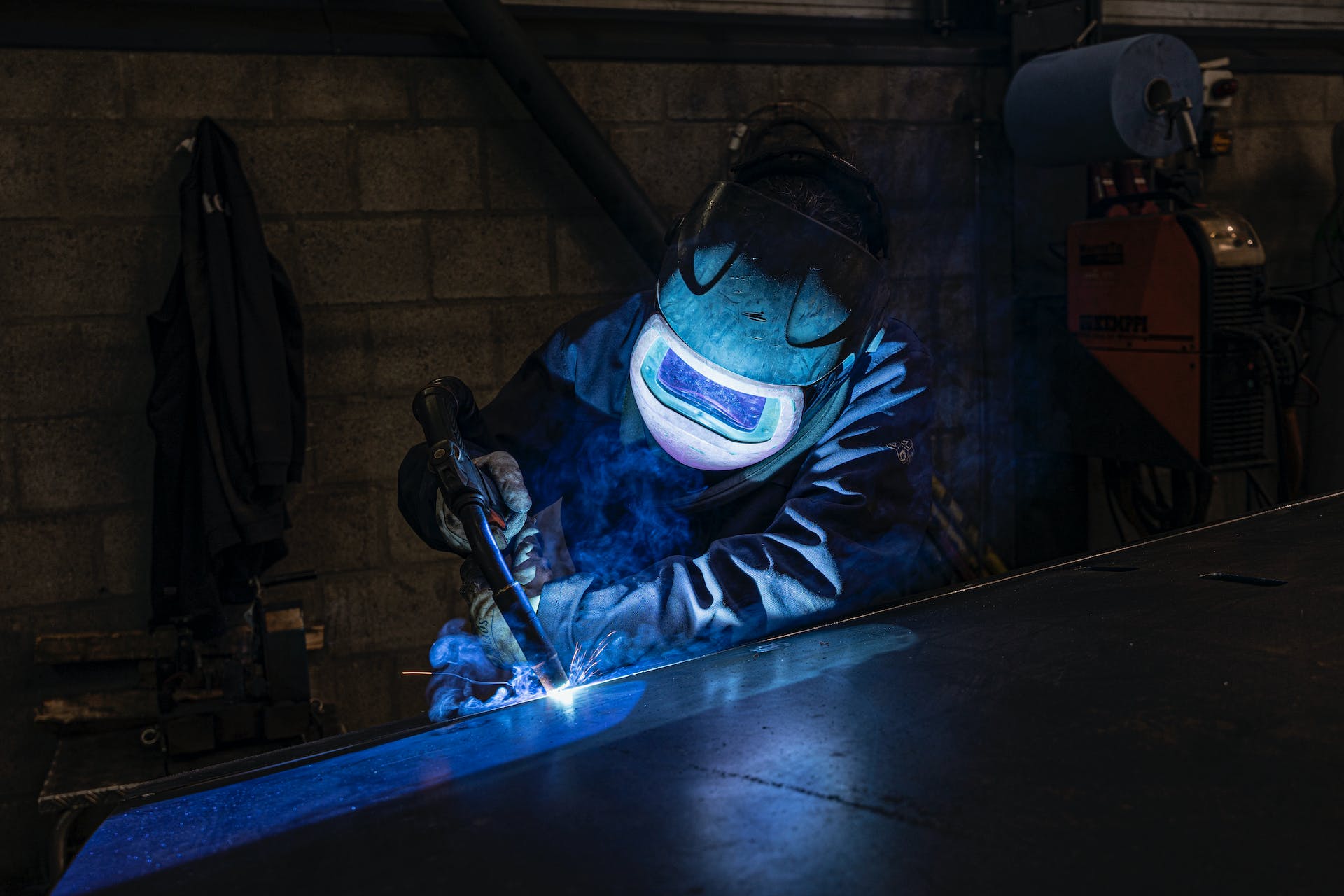
Custom Projects
Our skilled welders possess years of experience and expertise in various welding techniques.
Why Choose Martin Welding?
Your professionalism, expertise, and commitment to excellence have undoubtedly set the standard in the industry. It is a privilege to partner with a company of such caliber, and I look forward to continuing our collaboration in the future.
High-Quality Craftsmanship: Martin Welding takes pride in delivering high-quality welding services that meet or exceed industry standards. With a team of skilled welders and state-of-the-art equipment, Martin Welding ensures precise and durable welds, offering clients the assurance of long-lasting results for their projects.
Customized Solutions: One of the key benefits of partnering with Martin Welding is its ability to provide customized solutions tailored to the unique needs of each client. Whether it’s a complex fabrication project or a simple repair job, Martin Welding works closely with its clients to understand their requirements and deliver solutions that meet their specifications.
Timely Project Completion: Time is of the essence in the construction and manufacturing industries, and Martin Welding understands the importance of meeting deadlines. With efficient project management and streamlined workflows, Martin Welding ensures that projects are completed on time, helping clients avoid costly delays and stay on schedule.
Professional, experienced, and determined
Last but not least, Martin Welding prides itself on delivering exceptional customer service at every stage of the project. From initial consultations to post-project support, the team at Martin Welding is committed to providing personalized attention and prompt assistance to address any concerns or inquiries that clients may have.
